
Hajj is the fifth pillar of Islam and it’s Farz (duty) for every able (physically and financially) adult Muslim. A ‘’Farz” is a necessary duty in Islam and if someone skips it, he will be punished in the Day of Judgement. This is not just a worship but also a symbol of spirituality and unity among the Muslims. Millions of Muslims perform Hajj every year wearing with clothes with passion and devotion. This blog is a full step-by-step guide about the rituals of Hajj. So let’s start this spiritual journey in its actual way:
Hajj: Meaning and Purpose
Hajj is an Arabic word which means to visit an honourable place and in Islam, it refers to visiting the Holy and honourable places like the Holy Haramain Shareefain, Safa, Marwah, Mina, Arafat etc. The basic purpose of Hajj is to fulfil a duty as an able (physically and financially) Muslim. Muslims do this worship purely for the sake of Allah with passion so they can earn a reward (Jannah) in the Day of Judgement. The rituals of Hajj also commemorate the trials of Prophet Ibrahim, his wife Hajar and his Son Ismail (peace be upon them). Hajj is an international gathering of Muslims, so it also expresses the unity among them.
Preparation
Preparation is the key factor of this journey, so you should have everything you need during this journey. Let’s break it down:
Knowledge: You should learn every ritual of Hajj before you start, including their way, locations, Duas and sequences.
Travel Services: Look for a trusted travel agent who’s been registered by the government, or you’ll waste your time, money and opportunity as well. Make sure your passport has sufficient (at least 6 months from your departure date) validity. Keep your eyes on the community pages to watch the ratings and reviews of your acquired agencies and services. If you choose a five-star travel package, you’ll get extra benefits like direct and clean flights, on-time transportation, clean hotel rooms and healthy food during this journey. You’ll get flexible logistics rules so you can travel with your family as well.
Health and Vaccinations: Consult a registered Doctor to complete all the necessary medications and if you are taking some medicine regularly, pack that medicine in its original wrapper or bottle and take it with you on the journey.
Physical Wellness: Hajj includes intense walking and standing, so start walking and exercising in your daily routine to keep yourself fit and steady for this journey.
Packing: Pack all the necessary things, including Ihram clothing, soaps, shampoo, combs, umbrella, sunscreen, power banks and IDS, and travel documents. Avoid unnecessary things or you may face difficulty due to limited luggage rules.
Timing and Types of Hajj
Hajj is performed from the 8th to the 12th of Dhul Hijjah every year according to the Hijri or lunar calendar. It has the following three types:
Types of Hajj
Hajj Tamattu’
For Umrah, then separately for Hajj
Involves exiting Ihram between Umrah and Hajj
First-time and international pilgrims (often simplest)
Hajj Qiran
For both Umrah and Hajj together
Umrah and Hajj performed in a single, continuous state of Ihram
Pilgrims seeking continuous devotion
Hajj Ifrad
For Hajj only
Hajj is performed alone; Umrah can be done later if desired
Residents of Makkah and nearby areas
Step-by-Step: Rituals, Locations and Supplications
The whole pilgrimage is to be completed in five or six days. Here is the definition of every ritual in detail:
Entering Ihram
Pilgrims perform Ghusl(bath), declare their intention for the state of Ihram by wearing simple attire before crossing the specified boundary of Miqat.
Women should wear their dresses, which are able to cover their whole body except for their face and hands. While men should be wearing two unstitched cloths. One should be wrapped around their lower body and the other should be put on their shoulders and upper body. It is important to expose the right shoulders of men during the Tawaf.
It is necessary to avoid perfumes, cutting nails, trimming or shaving hair, fighting, hunting and any type of sexual activity during the state of Ihram.
Talbiyah
The pilgrims begin to chant:
لَبَّيْكَ اللَّهُمَّ لَبَّيْكَ، لَبَّيْكَ لاَ شَرِيْكَ لَكَ لَبَّيْكَ، إِنَّ الْحَمْدَ وَالنِّعْمَةَ لَكَ وَالْمُلْكَ لاَشَرِيْكَ لَكَ
Tawaf Al Qudoom
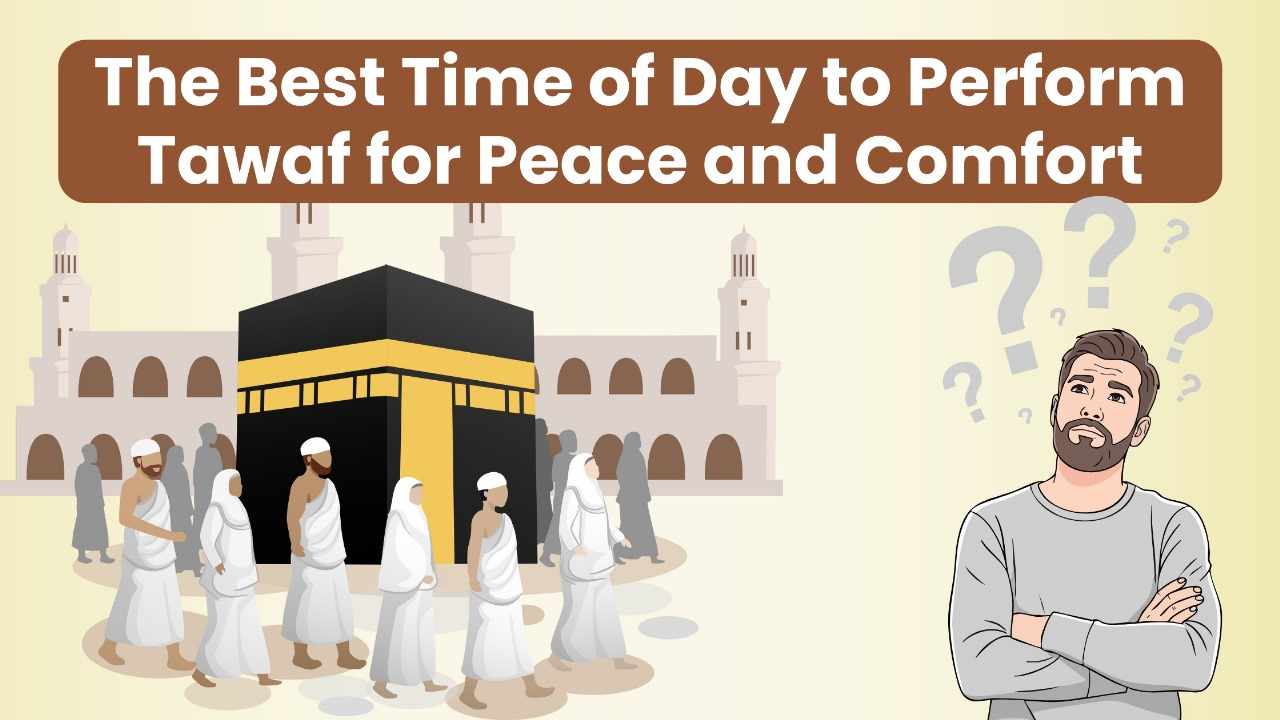
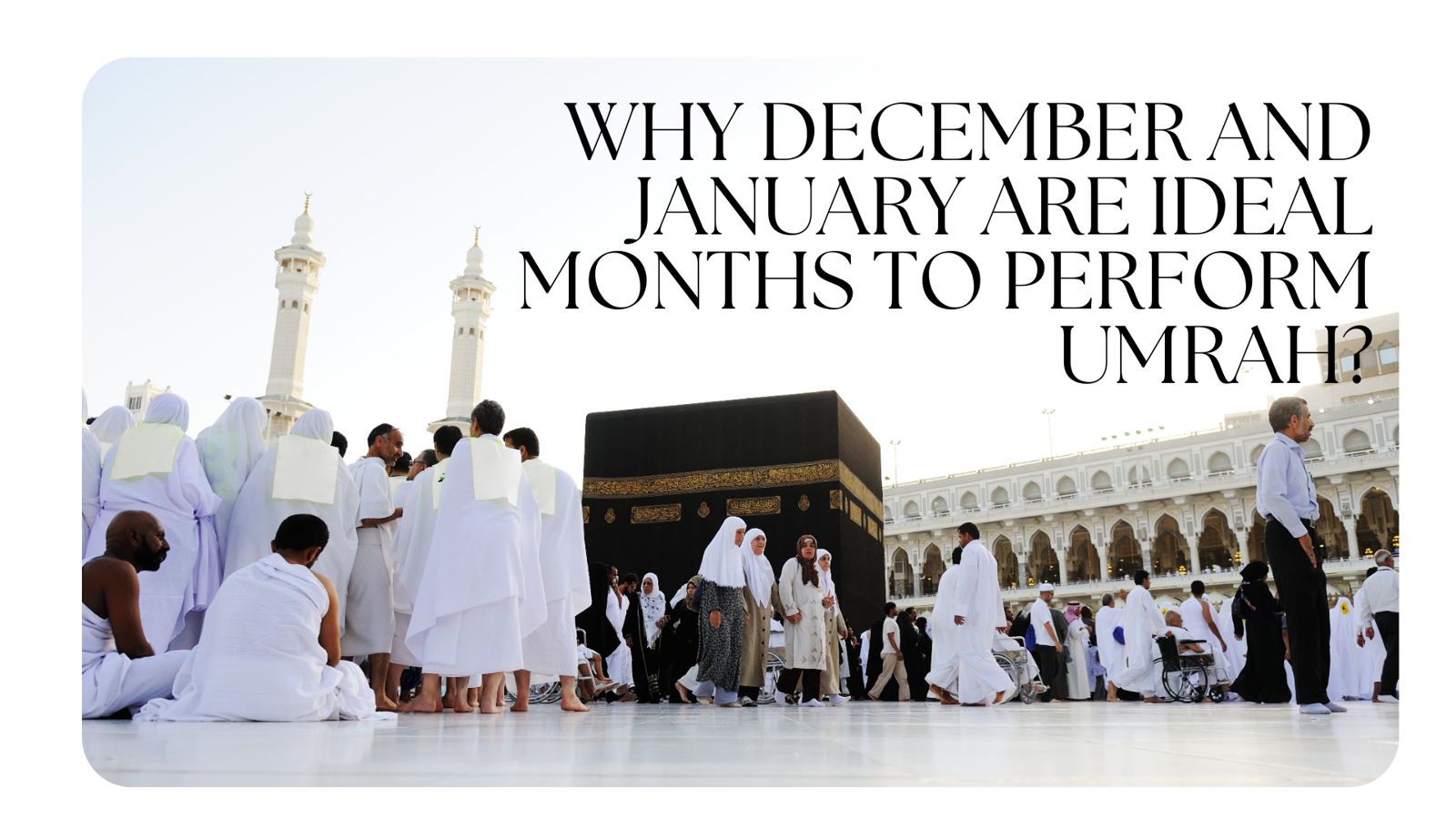
Pilgrims stop the Talbiyah and circumambulate the Holy Kaba anti-clockwise seven times upon reaching the Holy Kaba. Each circumambulation starts from Hajr al-Aswad (The Black Stone) and completes on it as well.
Sa’i
Pilgrims walk between the hills of Safa and Marwah seven times. During this, they also pray, saying:
﴿إِنَّ الصَّفَا وَالْمَرْوَةَ مِنْ شَعَآئِرِ اللَّهِ أَبْدَأُ بِمَا بَدَأَ اللَّهُ بِهِ﴾
And
لَا إِلٰهَ إِلَّا اللهُ، اللهُ أَكْبَرُ
And
لَآ إِلٰهَ إِلَّا اللهُ وَحْدَهٗ لَا شَرِيْكَ لَهٗ، لَهُ الْمُلْكُ وَلَهُ الْحَمْدُ وَهُوَ عَلٰى كُلِّ شَيْءٍ قَدِيْرٌ، لَآ إِلٰهَ إِلَّا اللهُ وَحْدَهٗ أَنْجَزَ وَعْدَهٗ، وَنَصَرَ عَبْدَهٗ وَهَزَمَ الْأَحْزَابَ وَحْدَهٗ
While recting this last supplication, your face should be in the direction of Kaaba.
Partial Exit for Tamattu
People who have the intention for Hajj Tamattu, shave their heads and exit from most of the restrictions of Ihram until the 8th of Dhul Hijjah, marking the completion of their Umrah.
The most Important Days and Rituals
8th Dhul Hijjah (Yawm al-Tarwiyah)
Mina: Now the core Hajj steps have started, so perform every ritual carefully. Pilgrims re-enter Ihrfam and arrive at Mina. They spend a day and a night at Mina praying and asking Allah for his mercy and forgiveness.
Precaution: In recent years, Hajj occurs in summer. So, the weather is likely to be very hot in Mina so keep hydrating yourself to avoid dehydration or any other illness.
9th Dhul Hijjah (Yawm al-Arafah)
Wuqoof at Arafah: Pilgrims start travelling to the plains of Arafah, asking for Allah’s mercy and forgiveness after the Sun rises. They offer shortened and combined prayers of Duhr and Asr upon reaching the plain of Arafah. Standing in the plains of Arafah till sunset is an important part of the Hajj. Muzdalifa: After sunset, pilgrims head to Muzdalifa to collect pebbles for Rami and stay there for a night under the open sky. They also offer Maghrib and shortened 2 rakaat of Isha.
10th Dhul Hijjah (Eid al-Adha)
Rami: Rami means “stoning the devil”. For the Rami, you should collect 49 pebbles in your pouch. 7 pebbles are to be thrown at the 10th of Dhul Hijjah at the pillar Jamrat al Aqabah. 21 pebbles are to be thrown on all the pillars on the 11th of Dhul Hijjah and 21 pebbles are to be thrown on all three pillars on the 12th of Dhul Hijjah. Every time pilgrims throw a pebble, they say: “اللهُ أَكْبَرُ”.
Nahr: Sacrifice an animal for the sake of Allah.
Halq/Taqseer: Trimming your hair or shaving your head makes you free from all the Ihram Restrictions. Pilgrims then move to Makkah to offer the necessary Tawaf al-Ifadah and Sai for Hajj (if not done yet).
11th to 13th Dhul Hijja (Ayyam Al Tashreeq)
Pilgrims stay at Mina and perform Rami every afternoon at all three pillars on the 11th and 12th of Dhul Hijja. Leaving Mina in the evening of 12th Dhul Hijja is permissible but staying until the 13th Dhul Hijja is more complete.
Tawaf Al-Wida
Tawaf al-Wida is a necessary farewell circumambulation before leaving Makkah. Pilgrims complete their seven rounds and get ready to leave Makkah. This circumambulation is not necessary for women who are facing their menstrual cycle.
Things to Avoid
If you want a comfortable journey and an acceptable Hajj, you must avoid these mistakes:
1. Starting the journey without learning it step-by-step.
2. Engaging in verbal or physical fight with other people.
3. Not wearing the Ihram before crossing the Miqat.
4. Doing some prohibited act like cutting your hair or nails or sexual activity etc.
5. Ignoring the necessary needs like hydration and rest leads to tiredness.
6. Getting separated from your group without any contact plans.
7. Overusing phones and cameras and getting distracted from the actual purpose of Hajj.
Things to Follow
1. Drink a penalty of water.
2. Take enough rest.
3. Keep yourself connected to your group.
4. Must follow the guidelines, terms and conditions given by your group leaders or guides.
5. Must follow the necessary restrictions when you are in Ihram.
6. Embrace patience in the crowded areas; don’t push anyone.
7. Perform every ritual on its time.
Conclusion
Hajj is the fifth pillar of Islam, a Farz (an obligatory ritual) for every (physically and financially) able Muslim, full of worship, joy and spirituality. It brings the message of spiritualism, faith and unity. It is performed purely for the sake of Allah. Every ritual of Hajj should be learned before starting the whole journey. If you don’t perform Hajj correctly, you’ll loss the chances of its acceptance. If it is accepted, you’ll be pure from all the sins and you’ll be rewarded on the Day of Judgement. May Allah bless you with this beautiful journey and accept your Hajj. Ameen.


Write a comment ...